
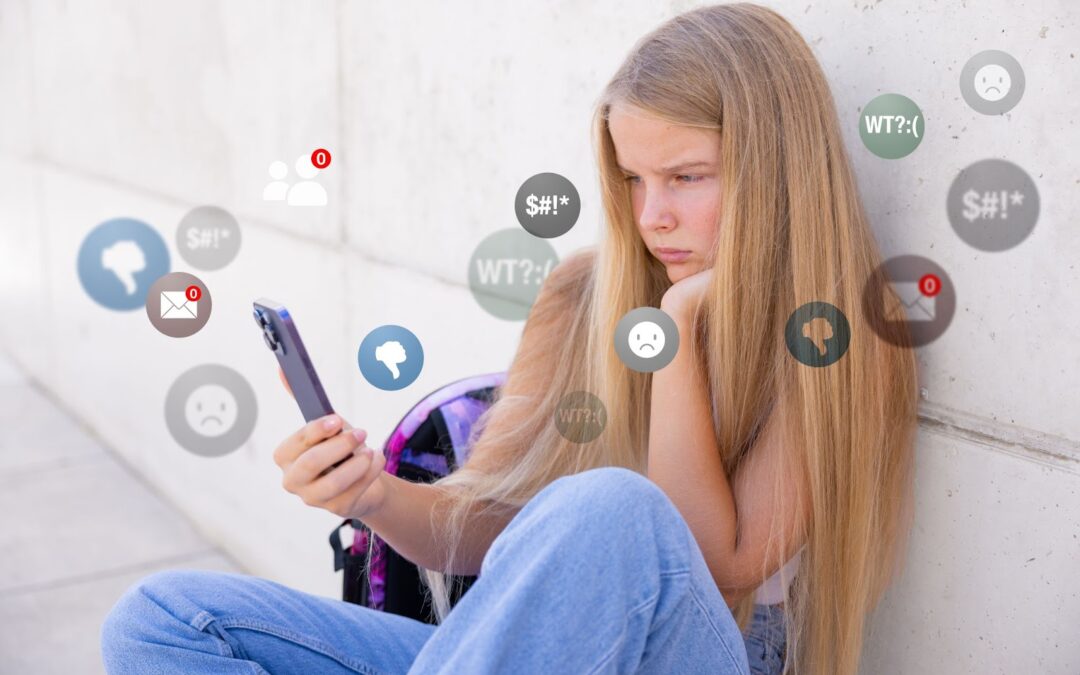
Talk about daunting! Being charged with keeping a child safe in 2025 is a high calling. Introduce two “complicating” factors—caring for foster children (whose backgrounds and trauma history are likely a mystery to you) and the rugged risks of social media—and you have a big challenge on your hands!
All children need and deserve care and protection when traveling the information superhighway.
Here are some pointers for doing that well:
Understand the Risks
- Privacy Concerns—Know and observe restrictions on what can be shared about your foster children on social media. Typically, these include the child’s full name, location, school, and photographs.
- Cyberbullying—Social media often exposes children to cyberbullying that can damage their self-esteem and mental health.
- Predators and Scams—Online predators target vulnerable children, and foster children may be especially susceptible to scams and exploitation.
- Emotional Triggers—Certain online content may trigger trauma or anxiety connected to a child’s past experiences.
Respect Legal and Agency Guidelines—Again, tune in to agency policies and all laws regarding sharing foster children’s information or images on social media. This includes what you post as well as what they post.
Communicate Openly—Discuss social media with your foster child and know the platforms they use and their online habits. Create an environment where they feel comfortable reporting any problems or sharing concerns.
Monitor Social-Media Use—Keep an eye on your foster children’s social-media accounts, as appropriate and necessary. (Think age and maturity level.) This doesn’t mean invading their privacy but ensuring they aren’t engaged in unsafe activities. Consider using parental control apps or shared accounts for younger children and older ones who demonstrate they need this type of support.

Teach Safe Online Practices—Explain the need for strong passwords and privacy settings. Also stress the importance of not sharing personal information like their location, phone number, or foster care status. Be sure to discuss the risks of interacting with strangers online.
Cultivate Positive Digital Behavior—Reinforce the importance of positive online interactions by teaching kids to exercise respect and kindness. Encourage them to think critically about what they post and to consider how their words might affect others and reflect on what they’ve written.
Be Mindful of Emotional Needs—Social media may be an allowable way for foster children to connect with biological family and friends from their past, depending on their specific case. This can be positive, but it can also be risky. Watch for signs of emotional distress such as withdrawal, anxiety, or changes in behavior. Be ready to adjust or curtail these connections if necessary.
Establish Clear Boundaries—Create rules for social-media use, such as screen-time limits, approved platforms, and content restrictions. Emphasize your ongoing concerns about their safety and well-being whenever you explain why these rules are in place.

Stay Informed—The more you know about the trends in social media and the newest popular platforms, the better you’ll be able to guide and protect your foster child through the cyber labyrinth that can become hazardous at times.
Be a Role Model—Children follow what we model more than what we say. Practice safe and respectful social-media use yourself and, when possible, show your children ways you’re doing this.
Following these 10 steps will take you a long way toward helping your foster child safely navigate the overwhelming maze of today’s social media. If used well, social media can be a place to both give and receive encouragement. When you as a foster parent stay proactive and informed, your children will reap the benefits.